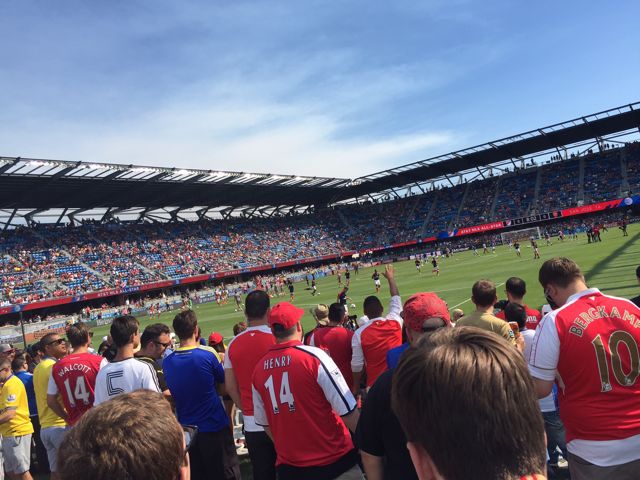
Long-promised Mobilitie DAS goes live at San Jose Earthquakes’ Avaya Stadium

Just before game time at Avaya Stadium for the 2016 MLS All Star game. Credit all photos: Paul Kapustka, MSR

The San Jose Earthquakes’ Avaya Stadium, which opened more than two years ago, finally has a working DAS, according to a press release from DAS provider Mobilitie.

Mobilitie, which won the deal back in 2015, said its neutral-host deployment has more than 150 antennas. The release did not say which carriers have agreed to deals or are live on the system; we are awaiting a response to an email to Mobilitie and Avaya folks, so stay tuned.

Since its opening, Avaya Stadium has had Wi-Fi provided by the namesake sponsor, a network that got considerably better ahead of last summer’s MLS All-Star Game. Any Quakes fans who can take some cell-service speedtests, send them our way.

Comcast Business to power Wi-Fi at Little Caesars Arena

Comcast Business has signed up as the Internet bandwidth provider for the soon-to-open Little Caesars Arena in Detroit, as part of an $11 million capital expenditure deal that will also bring assorted voice, video and other services to both the new arena and the surrounding “District Detroit.”

According to a press release from Comcast Business, the service provider will bring two 100-gig circuits of bandwidth to the arena, the new home of the NHL Detroit Red Wings and the NBA’s Detroit Pistons. Set to open on Sept. 12, the new venue will have more than 1,000 Wi-Fi APs in the arena and in “surrounding buildings and event spaces,” according to the Comcast release.

Comcast has a similar arrangement with the Atlanta Braves and their new home, SunTrust Park, as well as with the surrounding live/work environment there, called The Battery Atlanta. In a report in Crain’s Detroit Business, a Comcast exec said the Detroit deal was taking such sponsorships “A whole ‘nother step further,” adding that the District Detroit area is much bigger than the Battery’s footprint.

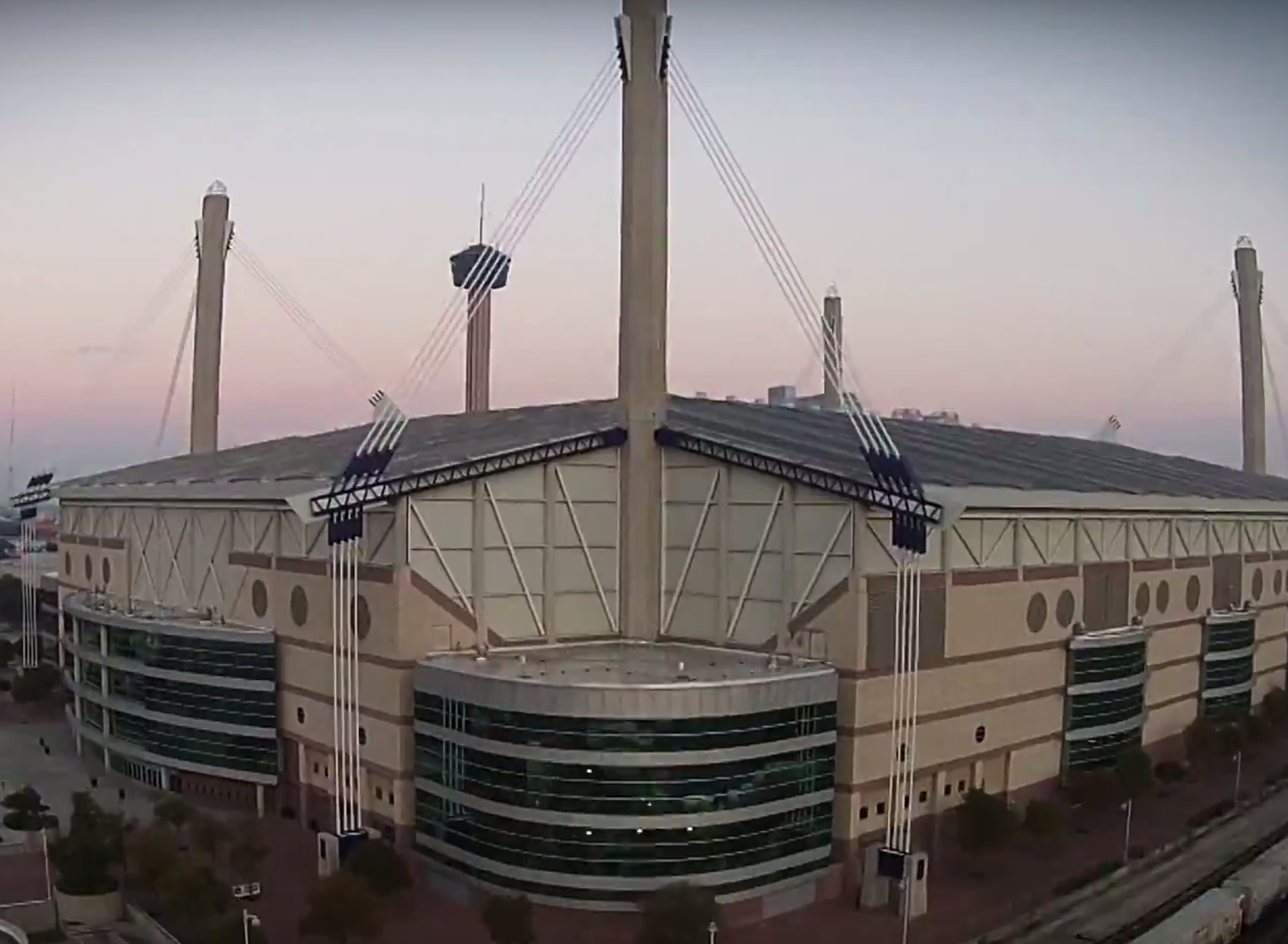
Alamodome taps AmpThink for new Wi-Fi ahead of 2018 Final Four

A new full-stadium Wi-Fi network installed by AmpThink is coming to the Alamodome, scheduled to be finished just ahead of this year’s Alamo Bowl and well in place for next spring’s men’s NCAA basketball tournament’s Final Four, Alamodome executives said.

Scheduled to be announced publicly by the San Antonio, Texas, venue today, the new network is part of a $50-million-plus renovation project that includes updated video boards, sound systems and TV screens throughout the stadium. Nicholas Langella, general manager of the Alamodome, said the new Wi-Fi network was financed in part by donations from Alamodome customers, including the Valero Alamo Bowl, scheduled this year for Dec. 28. The network will use Wi-Fi gear from Cisco, according to Langella.

According to Langella, approximately $6 million out of the roughly $10 million needed for the Wi-Fi upgrade came from the Alamo Bowl. Langella also said that the venue now has an updated DAS as well, built by Verizon, which will also have AT&T and T-Mobile on board. “We’re very happy about that [the DAS],” said Langella in a phone interview.

Going under seat for Wi-Fi

Though Wi-Fi deployment firm AmpThink has lately preferred railing Wi-Fi enclosures for proximate network builds, such as at Notre Dame, Langella said the Alamodome deployment will use more under-seat AP placements than railings, given the designed mobility of the Alamodome seating areas. “We have so much mobility with the stands, it’s hard to do lots of railing [placements],” Langella said.

According to Langella when the Wi-Fi deployment is finished — the network is scheduled to be fully completed by Dec. 1 — there will be approximately 750 APs installed, allowing the Alamodome to increase coverage from being able to serve 3,500 fans to being able to cover 65,000 fans, meaning every seat in the house. The improvements, he said, were part of a plan to attract the Final Four, which succeeded.

“We always thought we would improve the Wi-Fi,” Langella said. With the Final Four looming, he said, “we took the bull by the horns and got it done.”

Colorado State fans connect with Wi-Fi at stadium-opening victory

For both stadium networks and football teams, the first games are always a challenge; but at Colorado State there was nothing but smiles and celebrations as fans enjoyed great Wi-Fi connectivity at the new CSU stadium during the Rams’s 58-27 win over Oregon State Saturday.

With a sellout crowd of 37,583 crammed into the new on-campus venue for the Fort Collins, Colo., school, the not-yet-finished Wi-Fi network built by 5 Bars nevertheless saw 5,891 unique connections during the day with a peak concurrent number of 3,680 users at 3 p.m. local time. Even with most of the under-seat Wi-Fi connections not yet online (5 Bars said the network was about at 35 percent capacity), the network still saw 2.7 terabytes of data used, an average of 458 MB per connected user.

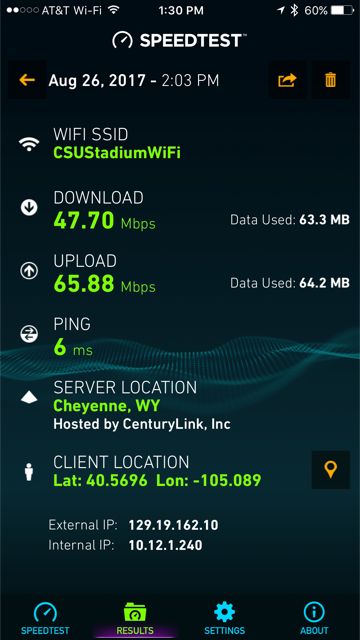
And though we don’t have the connection locations, some enclosed speedtest screen shots sent to us by the 5 Bars crew seems to show very good connectivity via Wi-Fi, with a top reading of 47.70 Mbps down and 65.88 up, as well as a couple other readings in the 20 Mbps range. Mobile Sports Report plans to be on hand for the next home game at the new CSU stadium on Sept. 9, so stay tuned for more testing. According to 5 Bars the Wi-Fi network should be “75 percent complete” by then, so we will test wherever we can.

The 5 Bars crew also said that Verizon was live on the stadium DAS, but so far we have not seen any stats from Verizon about performance. Stay tuned for more tests and pictures when we head north a couple weeks from now!

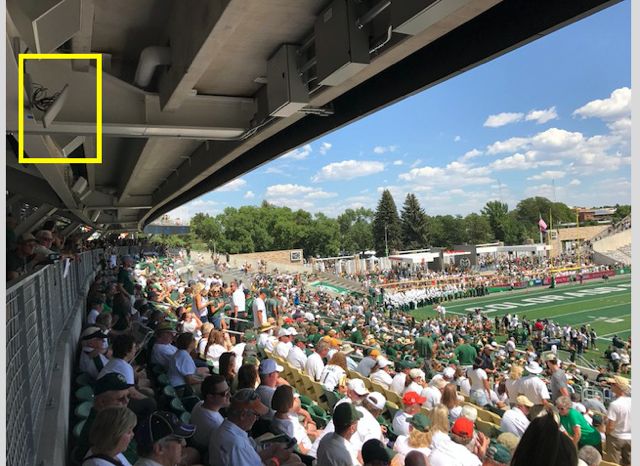
Picture of the west stands overhang, with a Wi-Fi antenna highlighted. Credit all photos below: 5 Bars

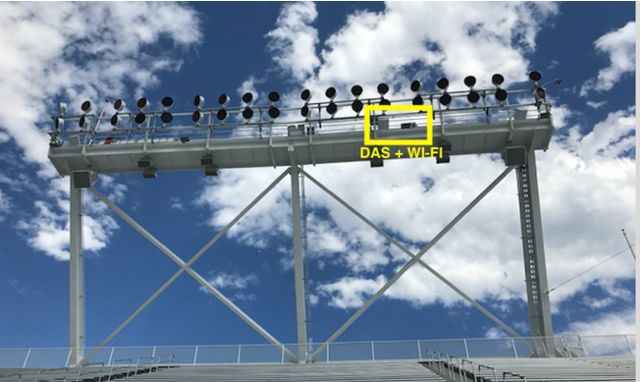
Gear locations on the east-side lighting stanchions

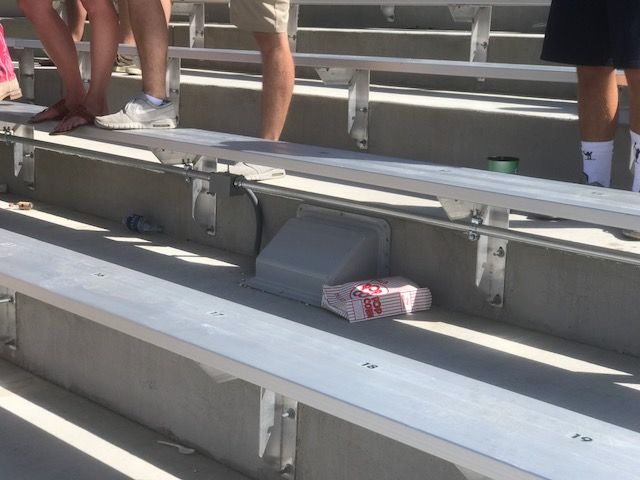
Under-seat AP enclosure. Pretty sure Wi-Fi can go through popcorn

Good speeds!

Wi-Fi, app ready to go for Falcons’ preseason opener at Mercedes-Benz Stadium

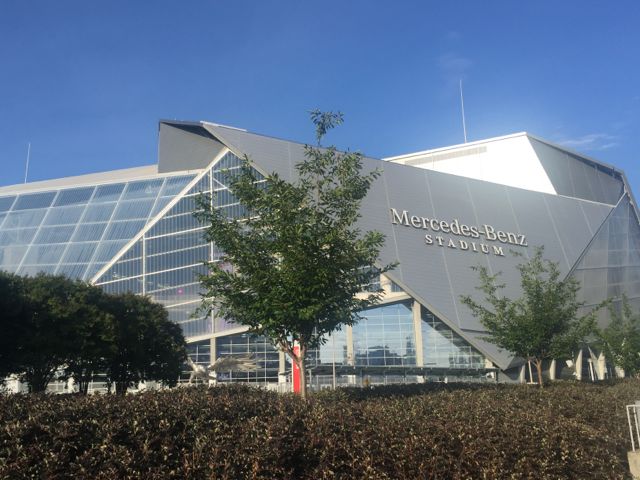
The shiny new stadium gets ready to host its first big event this weekend. Credit all photos: Paul Kapustka, MSR (click on any photo for a larger image)

It might have taken some recent all-nighters, but the crew behind the technology at Mercedes-Benz Stadium said that the Wi-Fi and DAS networks, as well as the new app, will be ready to go when the Atlanta Falcons hold their first big event at their new home this Saturday.

“We’ve spent the last week really tuning the Wi-Fi, and it’s awesome to see the speeds we’re getting as I walk around,” said Jared Miller, chief digital officer for the Falcons, in a phone interview Thursday. “I’m anxious to see how it will do with a full house.”

The first potential for a packed stadium comes Saturday night, when the Falcons host the Arizona Cardinals in an NFL preseason game. With roughly 1,800 Aruba Wi-Fi APs installed inside (1,000 in the seating bowl and the rest in concourses and other areas), Mercedes-Benz Stadium should have excellent Wi-Fi coverage, even if it takes several events to figure out the things you can only figure out once you have live people in the seats.

“We’ll need a few events until we get to a spot where we’re dialed in [with network performance],” said Miller. Though Miller said the Falcons were able to get some network feedback during a recent season-ticket holder open house, real performance stats won’t come until fans are filling the venue for an NFL game.

“You just have to go through a series of events to see actual performance,” Miller said.

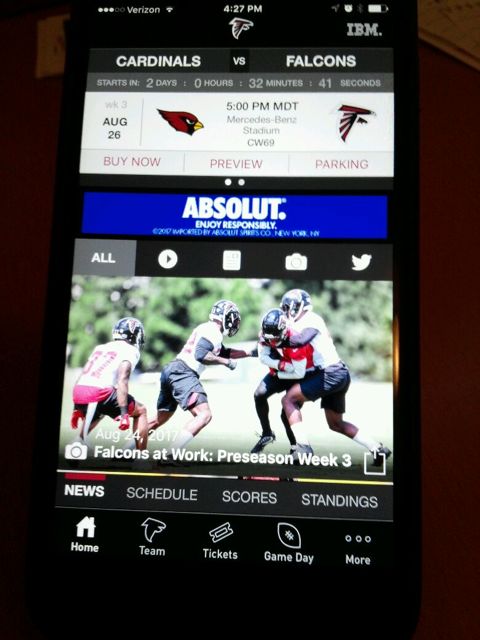
Home page of the new Falcons app from IBM

Curiously, Miller would not comment directly when asked if any carriers other than sponsor AT&T had officially signed on to be on the Falcons’ neutral-host DAS. However, he did say that “all the fans who [are at the game] should be able to have cellular connections.” (Any attendees who want to send us speedtests of Wi-Fi or DAS, you know where to find us.)

New app gets its debut

One area that might cause some delays getting into the arena is the Falcons’ decision to go to all-digital ticketing — fans must either have an RFID card (for season tickets) or must download the new team app so they can have digital tickets on their phones. Both the RFID cards and phones can be scanned at the SkiData turnstyle machines.

“We’re encouraging fans to download the app before they get to the game,” Miller said.

The new version of the team app, which was only made live in the last couple days, was built by main IT contractor IBM.

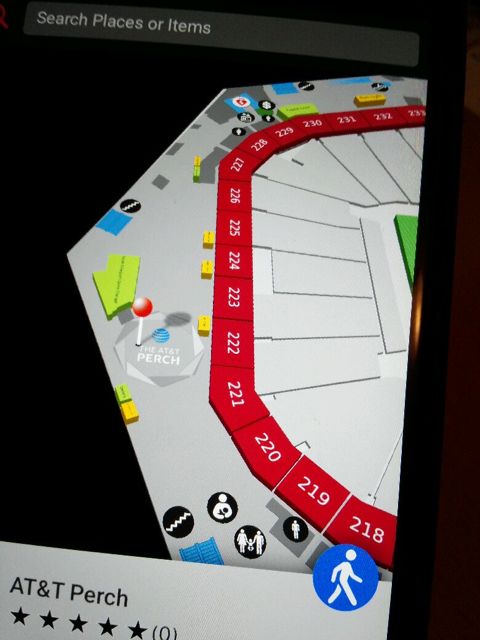
App view of a wayfinding map

The IBM app will do things a little bit differently than other stadium apps; the wayfinding maps are not “blue dot” or interactive like Google Maps or other stadium apps like those at Levi’s Stadium or Sacramento’s Golden 1 Center. Instead, fans must enter both their location and their desired destination to see a path on a stored map.

Food ordering via the app is also handled differently than apps that support in-seat delivery or express window pickup. With the Falcons app fans will select from a list of concession stands, then enter credit card information and their order, which will be scanned at the stand, according to IBM. While such new services always take some time for fans to discover and use, Miller is keen to see if the new systems work as promised.

“We want to see not just quantitative numbers but qualitative data too,” Miller said. “Did it really benefit fans? Were they able to bust the queue? Would they do it again?”

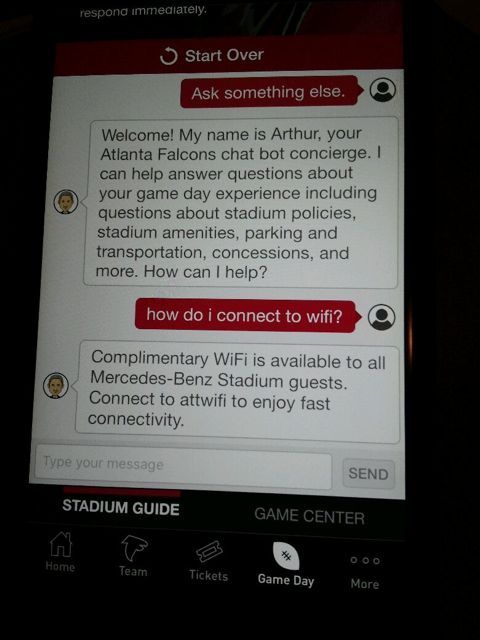
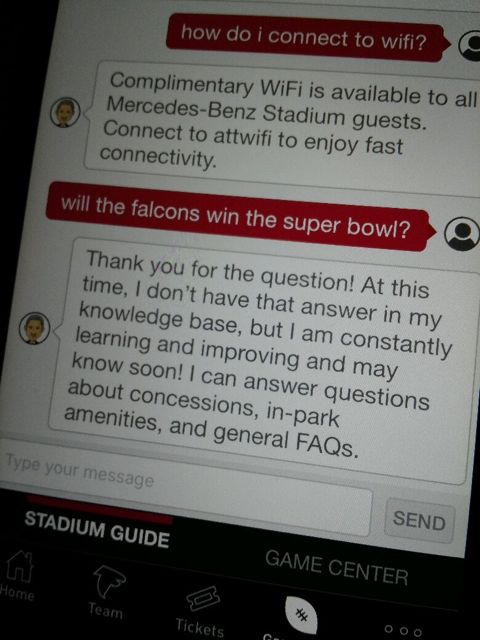
The app also has a Falcons-esque chat bot, called “Ask Arthur” for owner Arthur Blank; while the bot can quickly answer FAQ-type questions about the stadium and its operations, more open-ended queries will require perhaps some time with IBM’s Watson technology (see examples in photos below).

And on a final low-tech note, Miller said the Falcons had been in constant touch with several local groups, including the Georgia Department of Transportation, the city of Atlanta and the MARTA light rail system to get all the pertinent maps and signs updated. On Mobile Sports Report’s visit to Mercedes-Benz Stadium and Atlanta last week, we noticed that there were very few signs up with Mercedes-Benz Stadium on them.

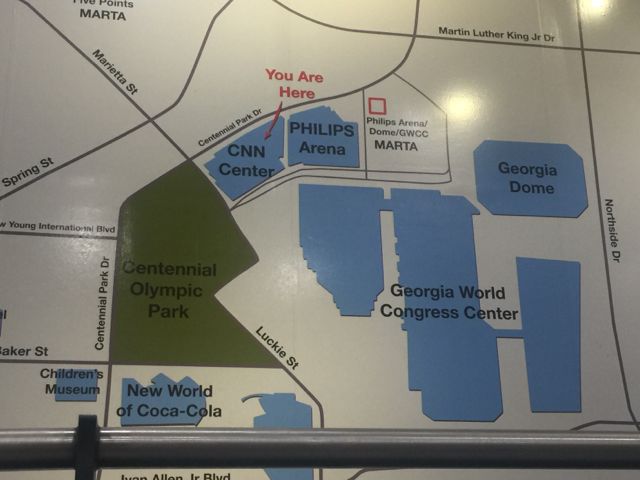
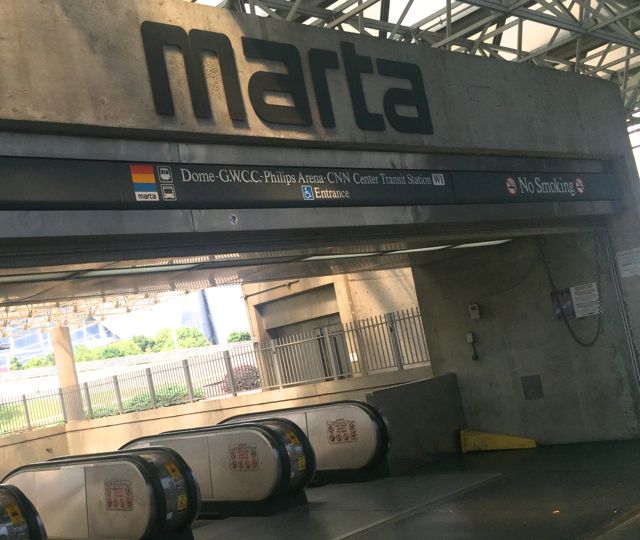
One big map on the wall inside the nearby CNN Center (where there is a large public food court) didn’t even have Mercedes-Benz Stadium on an area map, and a sign over the MARTA station just outside the new stadium’s doors had no mention of Mercedes-Benz Stadium but still did mention the Georgia Dome, the next-door neighbor slated for demolition. The MARTA online map still lists “Dome” but not “Mercedes-Benz Stadium” for the stop outside the venue’s doors.

“We’ve scoured the city looking for anything that still says Georgia Dome,” Miller said. Getting all the new signs up, he said, is “in the process of getting done.”

The ‘Ask Arthur’ bot can answer simple questions about Mercedes-Benz Stadium but…

… don’t ask the app for Super Bowl odds

We’re hoping this map, seen here on a wall inside the nearby CNN Center, has been updated

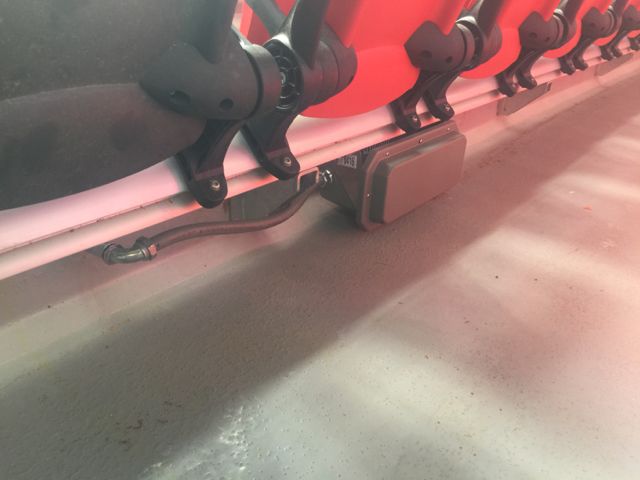
One of the many under-seat Wi-Fi APs that will be getting their first test this weekend

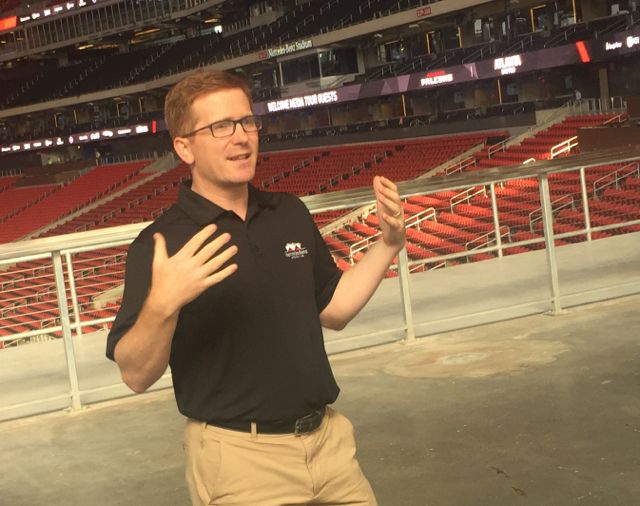
Chief digital officer Jared Miller answers questions at the recent media day

On Aug. 15, this sign over the nearby MARTA station still didn’t mention Mercedes-Benz Stadium

First Look: Shining start for Notre Dame’s stadium renovations, new Wi-Fi network

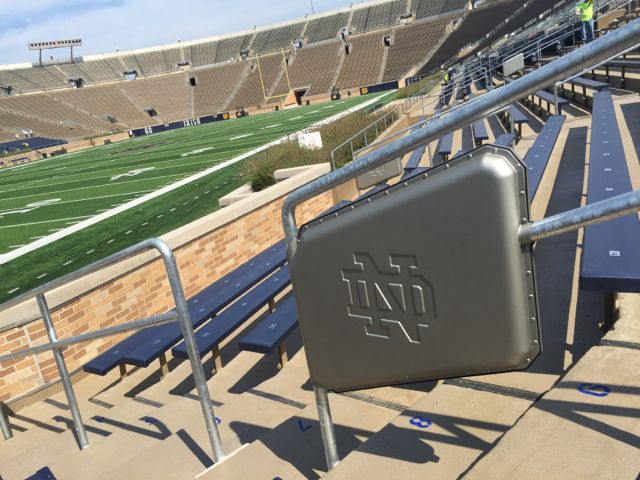
Notre Dame logo on Wi-Fi railing enclosure at Notre Dame Stadium. Credit all photos: Paul Kapustka, MSR (click on any photo for a larger image)

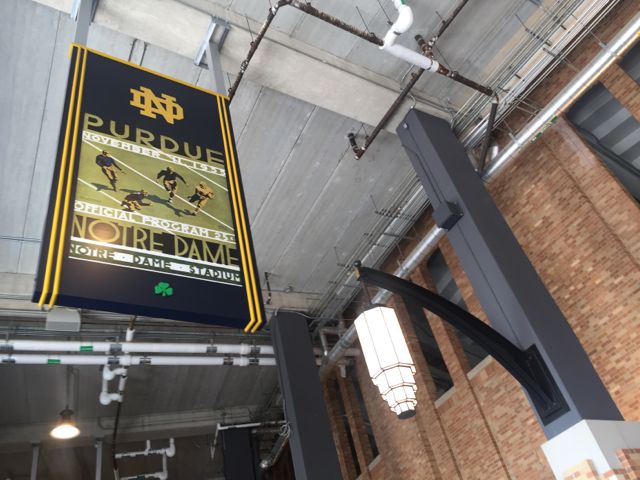
How do you bring new technology into a building and institution that embraces history as an integral part of its brand? There may be many answers but in the sports stadium world, Notre Dame’s renovation of its hallowed football field and the addition of high-speed Wi-Fi look like a good example for any other venues trying to solve the same issues.

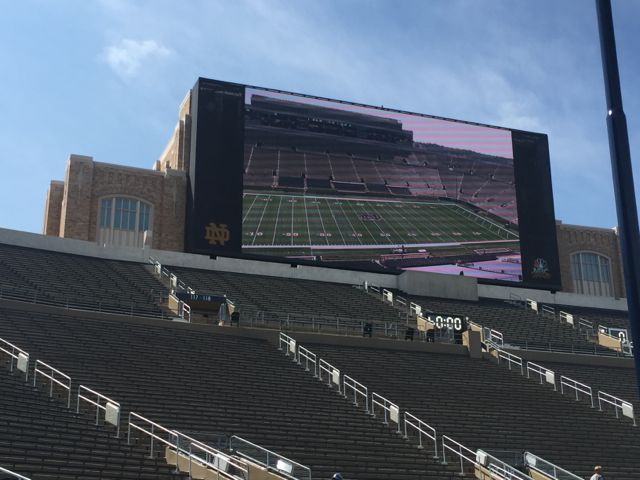
At this past Sunday’s “New and Gold” game, a sort of glorified scrimmage, the public (including Mobile Sports Report) got its first look at the University of Notre Dame’s Campus Crossroads project, a $400-million plus effort to bring premium seating, a large video board and high-density Wi-Fi to a venue that came to life in 1930, according to university history.

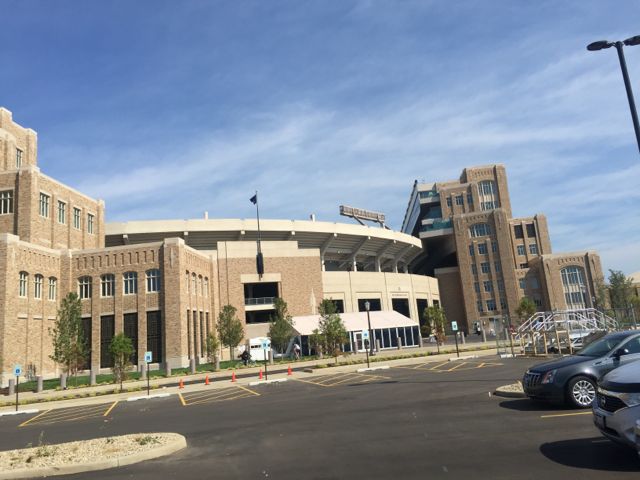
While we will have a full report on our visit to Notre Dame Stadium in our upcoming Fall STADIUM TECH REPORT issue, we wanted to give you a “first look” at the new facilities, which basically include three new large buildings built into the sides of the existing structure, to provide support for the video board as well as two expanded premium-seating and press box areas on either side of the field.

Wi-Fi AP overlooks a concession stand

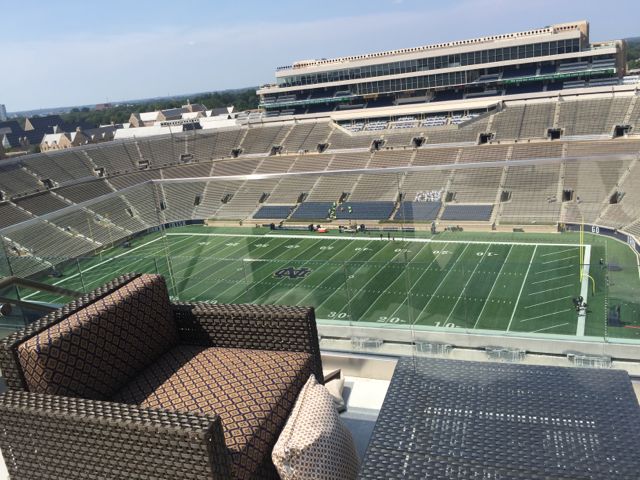
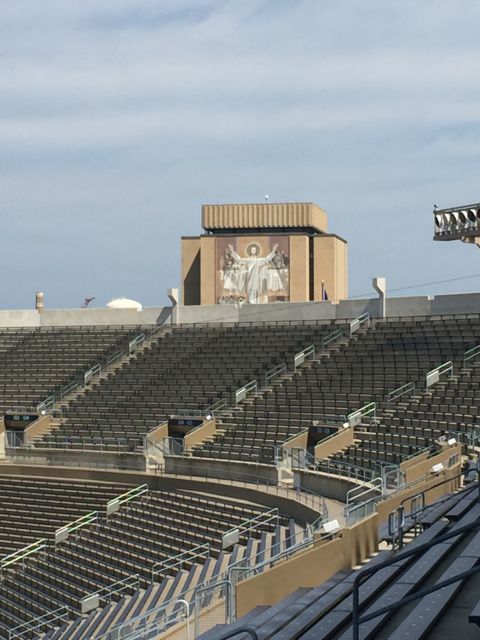
One of the coolest parts we saw were the new rooftop premium seating areas, where you can sit on a couch and see the full field while also peering out over the edge of the stadium to see Touchdown Jesus, the Golden Dome, and the rest of the world (well, OK, mostly South Bend, Indiana) while enjoying your favorite beverage and speedy Wi-Fi.

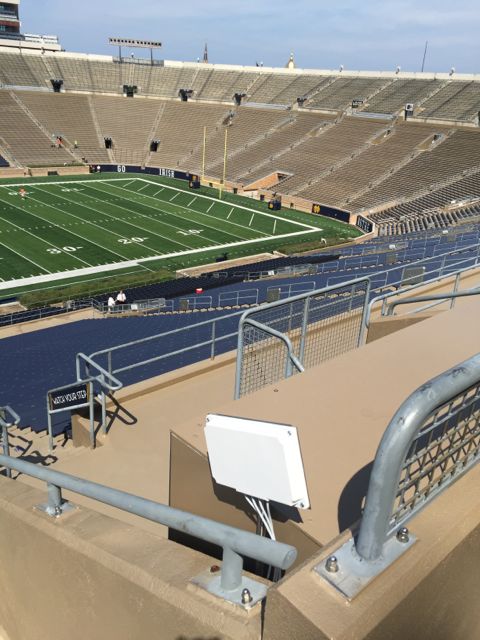
The new Wi-Fi network design using Cisco gear was led by AmpThink, and includes custom-designed enclosures for railing-mounted APs that feature a sharp version of the “ND” logo known to any football fan. Though the network hasn’t yet been optimized or tested with a full house of fans, we were still getting solid up/down signals in the 60-70 Mbps range throughout the building, even in low and high bowl seating areas. There is also a new neutral-host DAS in the stadium, built by Crown Castle. According to Notre Dame, Verizon Wireless and AT&T will be live on the cellular network by the start of the season, with T-Mobile to follow soon.

Like we said, look for more details in our upcoming report… but for now enjoy some scenes from Sunday’s game!

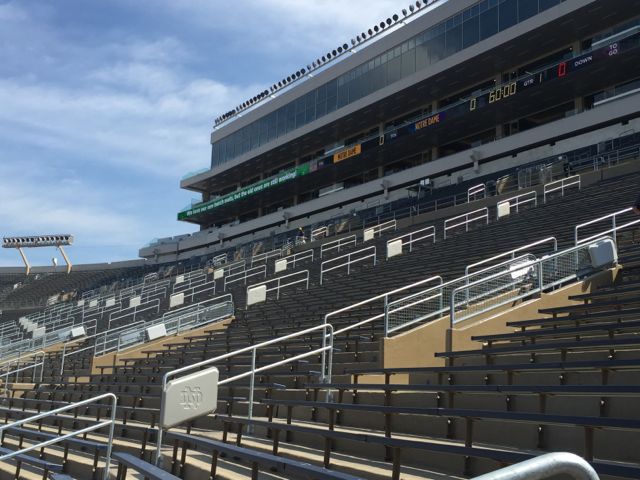
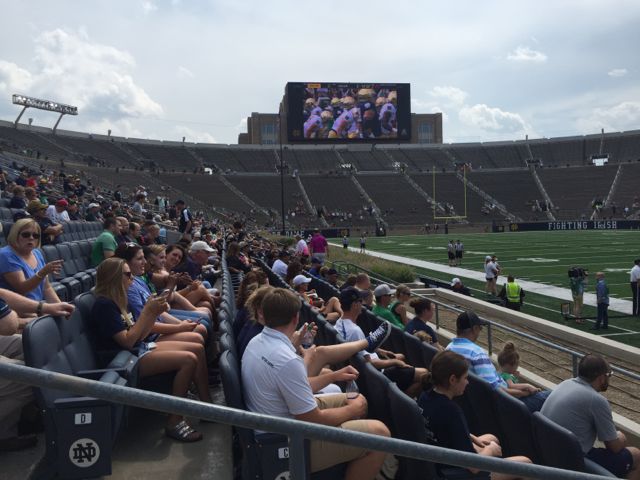
A good look across the main east seating section, with Wi-Fi handrail enclosures visible

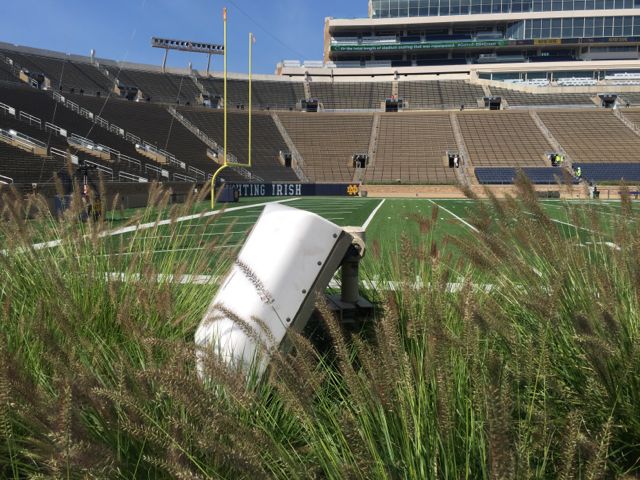
DAS in the grass: A DAS antenna finds a home in the grassy strip separating seats from the field

The new big screen video board now dominates the south end zone

A good look at how the new structures bookend up to the stadium on its sides

Now that’s a premium suite: Rooftop couch area provides full view of field, plus scenic views over campus and beyond

Additional seating Wi-Fi coverage from small antennas over VOMs

Painted Wi-Fi AP blends in to column in main concourse outside seating area

The view of ‘Touchdown Jesus’ remains unobstructed

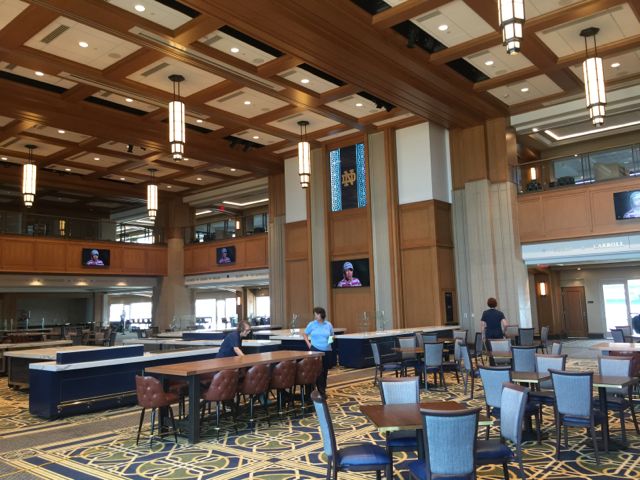
Inside look at the swanky, wood-paneled club for premium seatholders in west building

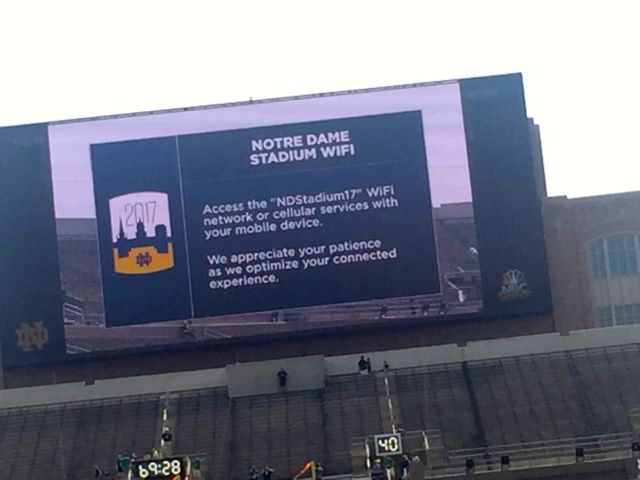
Scoreboard plug for the Wi-Fi

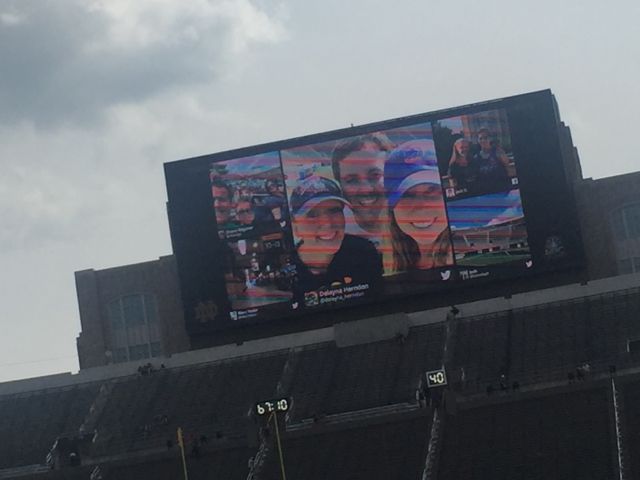
Notre Dame fans already figuring out how to use social media to get on the big screen

Smart fans at Notre Dame — early arrivers went right for the new, padded premium seats

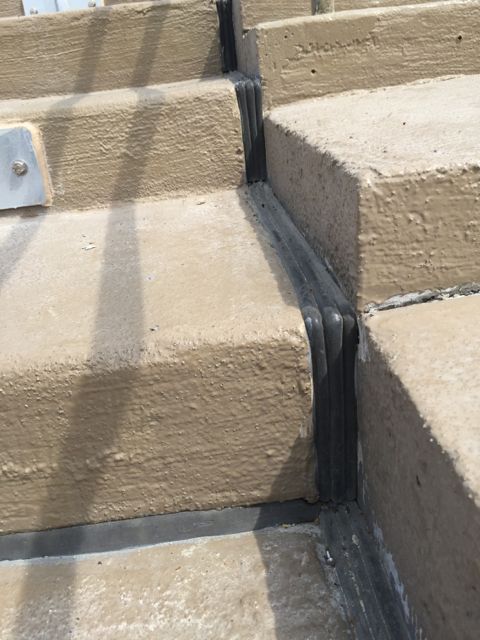
How do you get bandwidth to APs located below grade level? By being clever and using routing down the side of stairways… more details on this trick coming soon!