More Wi-Fi consolidation as Riverbed acquires Xirrus

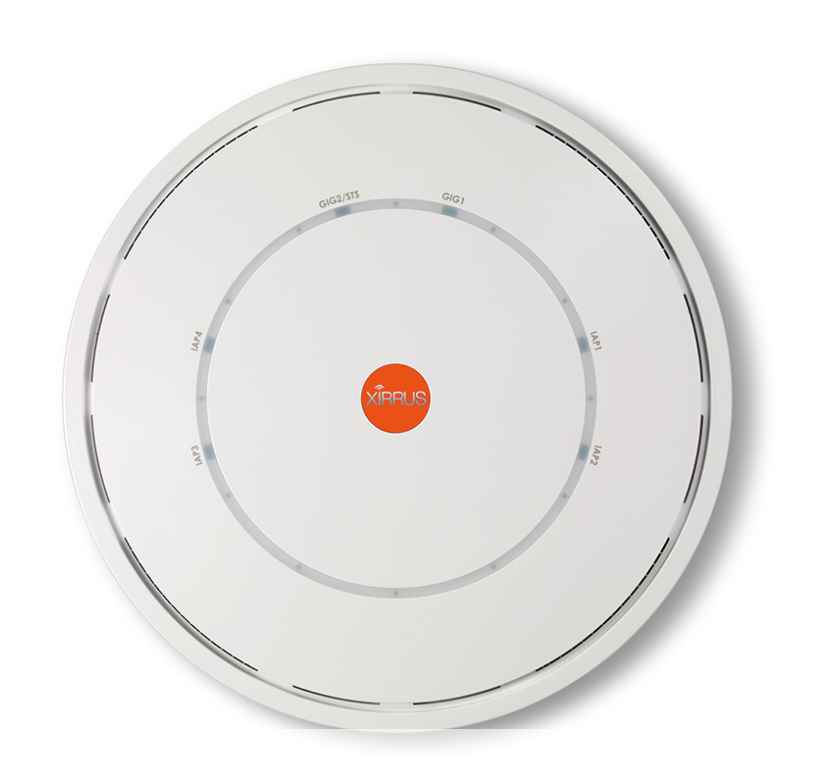
Network management company Riverbed announced a definitive agreement to acquire Wi-Fi provider Xirrus, for an undisclosed fee. The move is just the latest in a string of acquisitions of standalone Wi-Fi companies, following Hewlett Packard’s purchase of Aruba in 2015 and the journeys of Ruckus Wireless, which was first bought by Brocade and is now on its way to being a part of Arris.

While Riverbed said it would continue to offer Xirrus’ Wi-Fi products as a standalone business, its interest in Xirrus’ Wi-Fi technology is most likely in the enterprise office market. While nowhere near the size of players like Cisco or Aruba in the stadium wireless networking arena, Xirrus did have some wins in the space, including deals where its equipment was resold by Avaya. More as we hear more on the deal.
Braves see 8.4 TB of Wi-Fi data used at SunTrust Park’s opening weekend

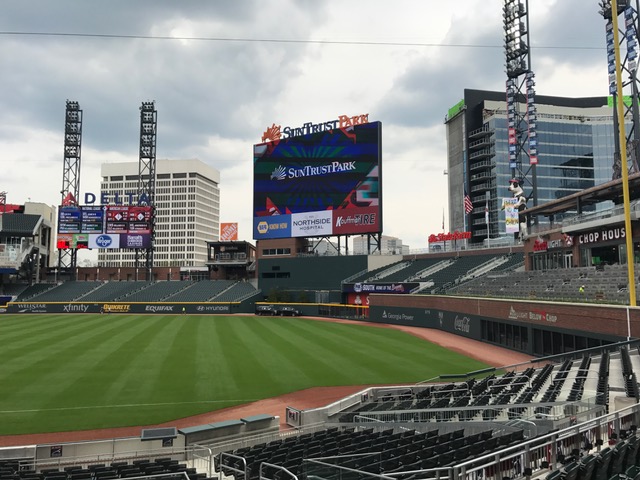
SunTrust Park, new home of the Atlanta Braves

The Atlanta Braves and Wi-Fi provider partner Comcast Business claim that there was 8.4 terabytes of data used on the Wi-Fi network at SunTrust Park and in the surrounding “Battery” public areas during the opening weekend for the Braves’ new home stadium.

According to the Braves and Comcast the networks inside and outside the new ballpark saw 5.3 TB of Wi-Fi used on April 14, the park’s first game for Major League Baseball regular-season action. On the following two nights, the network saw 1.8 TB and 1.3 TB of activity, respectively. The network, which uses Cisco Wi-Fi gear, has 800 APs inside the stadium proper. Look for a profile of the network at SunTrust Park coming soon here on MSR!

Final Four final score: 17.6 TB (at least) of wireless data used at University of Phoenix Stadium

We finally have the Wi-Fi numbers from the NCAA men’s basketball tournament Final Four weekend at the University of Phoenix Stadium, and they are big — a total of 11.2 terabytes of data used during the two days of competition, according to the stadium network crews running the operations for the NCAA. Combined with AT&T’s reported DAS total of 6.4 TB, that means the total wireless usage so far is at least 17.6 TB — and that’s not including DAS numbers from Verizon Wireless, Sprint or T-Mobile, which if we had them would probably push the total far higher.

Just on the Wi-Fi side of things, the Saturday semifinal games this year produced enough single-day traffic (6.3 TB) to sneak into our unofficial Top 5 list for Wi-Fi events, barely edging Super Bowl XLIX, which saw 6.2 TB of traffic in the same building a couple years earlier. Granted, the Final Four has more fans in attendance and more time with two games compared to one, but it’s still a sign (to us, anyway) that wireless use by fans at big games of all types is continuing to grow. (It’s cool to see the comparison between a Super Bowl and a Final Four in the same venue, as well. Looks like the network operators there keep improving from big game to big game.)

According to the network stats provided to us, the Final Four crowd on Saturday saw 38,520 unique users connected to the Wi-Fi at some point, with a max concurrent user total of 20,675. On Monday night’s championship game, those numbers were 31,458 uniques and 19,861 max concurrent users. Attendance for the two sessions was 77,612 for Saturday’s semifinals and 76,168 for Monday’s championship, which were both second-highest ever numbers, according to a cool NCAA infographic that has some more stats on TV and internet viewership.

See you next year in San Antonio, NCAA… to see if the connectivity pace keeps increasing!

THE NEW TOP 8 FOR WI-FI

1. Super Bowl 51, NRG Stadium, Houston, Feb. 5, 2017: Wi-Fi: 11.8 TB
2. Super Bowl 50, Levi’s Stadium, Santa Clara, Calif., Feb. 7, 2016: Wi-Fi: 10.1 TB
3. Green Bay Packers vs. Dallas Cowboys, Divisional Playoffs, AT&T Stadium, Arlington, Texas, Jan. 15, 2017: Wi-Fi: 7.25 TB
4. WrestleMania 32, AT&T Stadium, Arlington, Texas, April 3, 2016: Wi-Fi: 6.77 TB
5. NCAA Men’s Final Four, University of Phoenix Stadium, Glendale, Ariz., April 1, 2017: Wi-Fi: 6.3 TB
6. Super Bowl 49, University of Phoenix Stadium, Glendale, Ariz., Feb. 1, 2015: Wi-Fi: 6.23 TB
7. Alabama vs. Texas A&M, Kyle Field, College Station, Texas, Oct. 17, 2015: Wi-Fi: 5.7 TB
8. Pittsburgh Steelers vs. New England Patriots, AFC Championship Game, Gillette Stadium, Foxborough, Mass., Jan. 22, 2017: Wi-Fi: 5.11 TB

Cubs fans on AT&T networks use 1.4 TB of cellular on opening night, more than World Series games

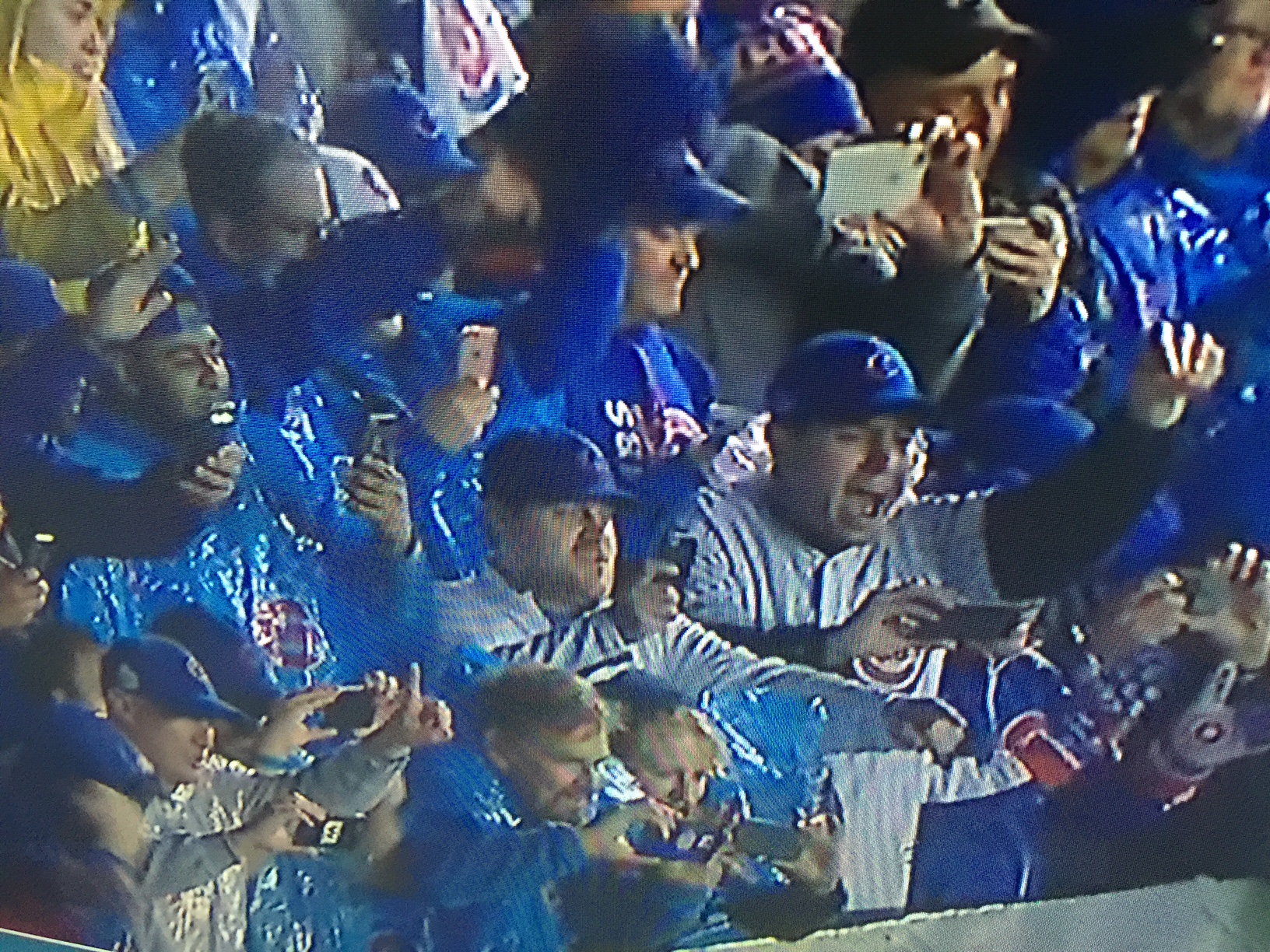
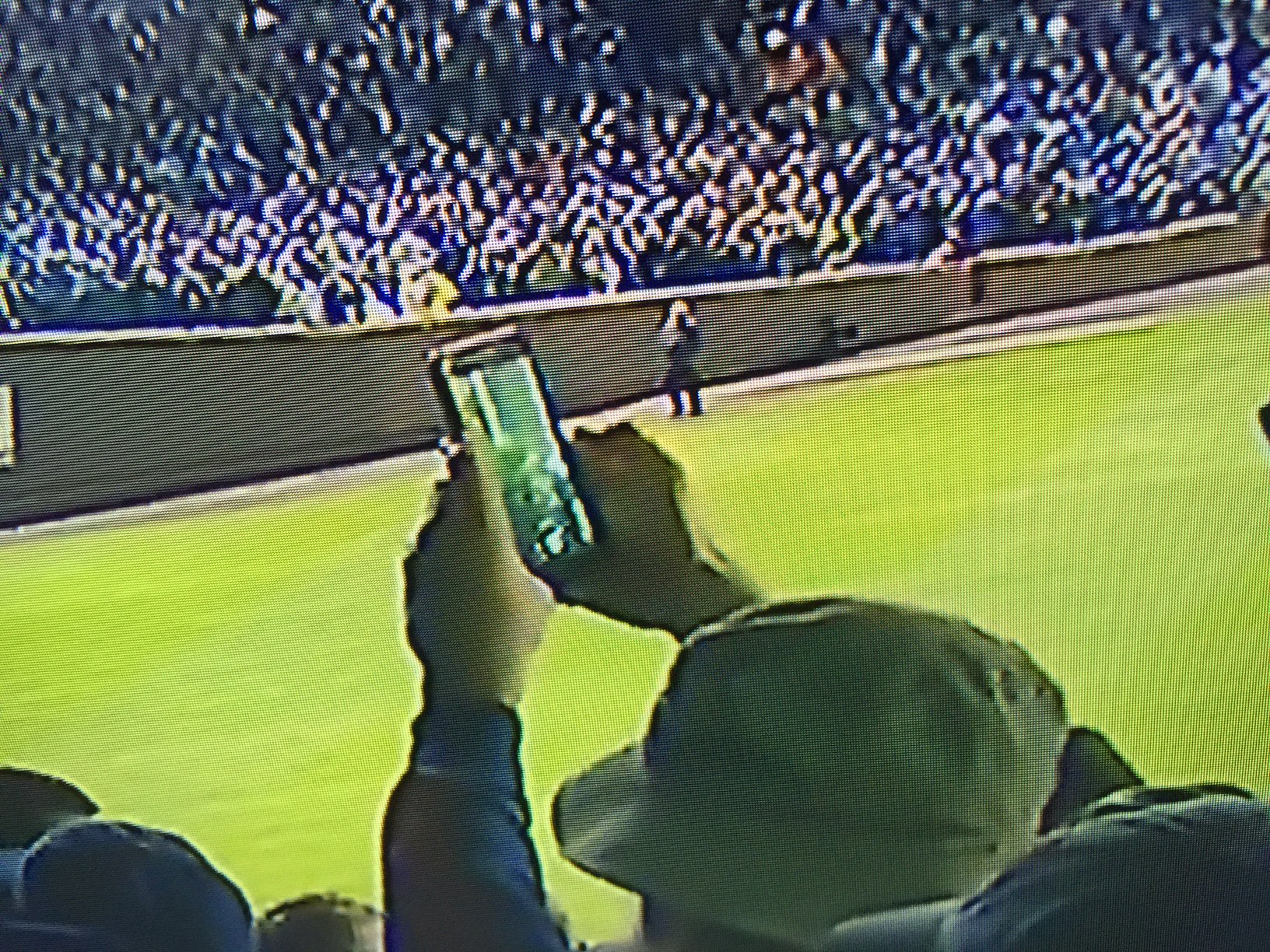
Bleacher fans at Wrigley Field use their mobile devices to record the team’s World Series banner celebration. Credit: Screen shot of ESPN broadcast

As we found out last fall, having a World Series game at your venue can generate large amounts of wireless traffic, on both cellular and Wi-Fi networks. But as it turns out, celebrating a World Series victory can generate even more traffic, especially when the celebration includes an on-field ceremony made for fan photos from the seats.

According to AT&T, Cubs fans at Wrigley Field for Monday night’s home opener used 1.4 terabytes of wireless data on AT&T’s cellular and DAS (distributed antenna system) in and around the Friendly Confines. That was almost 400 GB more than the biggest AT&T usage report from last fall’s World Series, when Wrigley Field saw 1.006 TB of data used on AT&T networks for Game 3, the first game in Chicago.

Before the Cubs and Los Angeles Dodgers played on Monday night, there was a lengthy rain delay where a packed house of fans was waiting for the Cubs to unveil their World Series and National League pennant banners.

The flags, which were mounted on four poles at the back of the centerfield bleachers, became the center of attention when the entire Cubs roster still with the team from last season climbed up into the stands to each take a pull at hoisting the World Series champion banner aloft. As you can tell by the pictures we snapped off the ESPN broadcast, it was a made-for-mobile-device moment, with some lucky fans able to get up close and personal photos of the Cubs players.

After hoisting the banners the Cubs players emerged from the tunnels behind the outfield walls with the World Series trophy and paraded it onto the field, again no doubt attracting more of the photos that eventually were sent over the AT&T networks. It’s a lot of wireless traffic, but no doubt a problem any team in Major League Baseball would be willing to tackle each spring.

Listen at your leisure: Live interview webinar with Vivint Smart Home Arena, Boingo and Solid, April 11

If you missed Tuesday’s event, you can still hear from the experts to learn how to deliver a seamless connectivity experience for the thousands of people coming through your venue. Listen to the replay of this Mobile Sports Report “Live Interview” webinar for exclusive access to insights from March Madness host Vivint Smart Home Arena and connectivity partners Boingo and SOLiD.

(Editor’s note: The recording starts a few minutes into the event, after your host remembered to push the “record meeting” button.)

Participants:
Vivint Smart Home Arena: Frank Zang, SVP Communications
SOLiD: Shane Hague, Director Business Development
Boingo: Doug Lodder, SVP Business Development
Mobile Sports Report: Paul Kapustka, Editor in Chief

If you have any questions please contact Paul at kaps@mobilesportsreport.com. Come hear what was an interesting discussion!


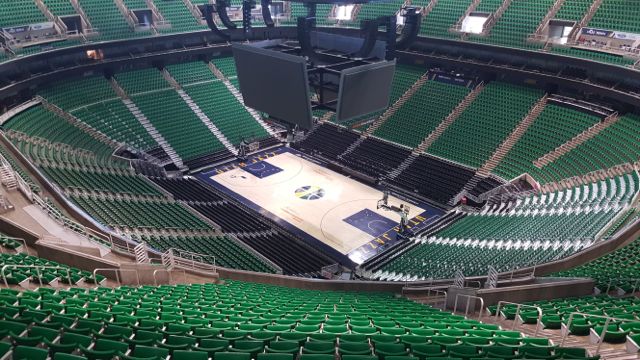
Vivint Smart Home Arena. Credit: Utah Jazz

AT&T sees 6.4 TB of data used on stadium DAS for Final Four weekend

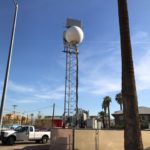
AT&T’s cell on wheels tower outside the University of Phoenix Stadium for the Final Four. Credit both photos: AT&T (click on any photo for a larger image)

AT&T said that it saw 6.4 terabytes of wireless data used on its cellular networks inside the University of Phoenix Stadium during this past weekend’s Final Four games of the NCAA men’s basketball tournament, one of the biggest numbers yet for AT&T during the biggest weekend of college hoops.

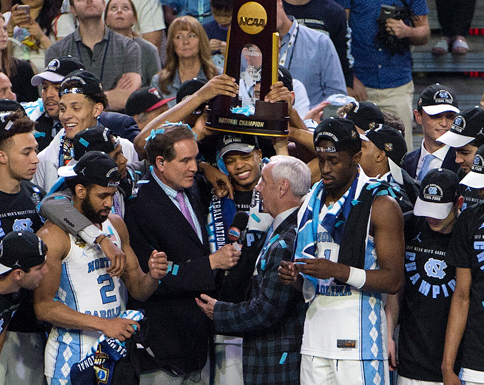
While we don’t have full wireless-use totals from last year, totals of DAS and Wi-Fi from this year’s semifinal games from Saturday and Monday’s championship game (won by North Carolina, a 71-65 victory over Gonzaga) should surge past the last official mark we have, of almost 11 TB recorded at Lucas Oil Stadium in Indianapolis back in 2015.

That weekend saw 5.3 TB on the stadium’s Wi-Fi network and the rest on DAS systems; we are currently waiting for both the Wi-Fi numbers from UoP Stadium as well as any DAS stats from Verizon or Sprint (or T-Mobile, which wouldn’t give us a total usage number from the Super Bowl so we are guessing we won’t see any from Final Four weekend either).

AT&T COW in downtown Phoenix

And while we always take those estimates about how much big events contribute to the local economy with a huge grain of salt, there is no disputing that big events bring big wireless usage to an entire host city, especially when like at a Final Four or Super Bowl, there are official events just about everywhere you look.

AT&T said its temporary and fixed networks around Phoenix saw more than 10.5 TB of traffic over the weekend, a sign that cities with big-event venues probably need to start thinking of how they might need to beef up macro and small-cell networks around town — or help the carriers deploy towers and other devices more quickly so that fans can stay connected throughout their visits.

Our favorite tweet from Monday’s championship game was one where someone we follow had a picture of himself watching live baseball on his phone while at the UoP stadium during the championship game. While it may be a subtle comment on the painful play (and refereeing) it was certainly a vote in favor of the great connectivity in the building, whether it was on Wi-Fi or cellular. Stay tuned for more figures as we get ’em.