Twitter’s NFL streaming debut fails on Tweet front; will AT&T and Verizon eventually dominate mobile device NFL streaming?

Twitter’s debut in live-streaming NFL games had good video, but the accompanying Twitter feed — which users couldn’t configure — left many observers wanting more. Will Twitter ever be able to deliver, or will physics keep Twitter from being able to add anything special to mobile-device sports streaming? In the latest STADIUM TECH REPORT PODCAST, co-hosts Phil Harvey and Paul Kapustka dissect Twitter’s streaming issues, and wonder when people will realize that AT&T and Verizon may be the eventual winners in the NFL streaming battle with their Sunday Ticket and NFL Mobile platforms. Listen now!

SUBSCRIBE TO THE PODCAST:
Here is the link to the podcast on iTunes!

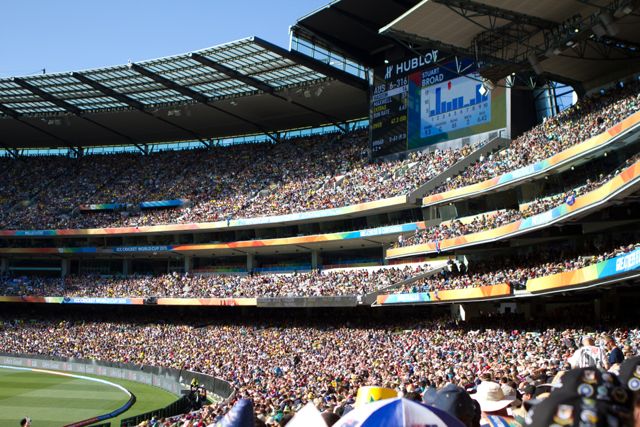
Melbourne Cricket Ground breaks its own top mark for concurrent Wi-Fi connections

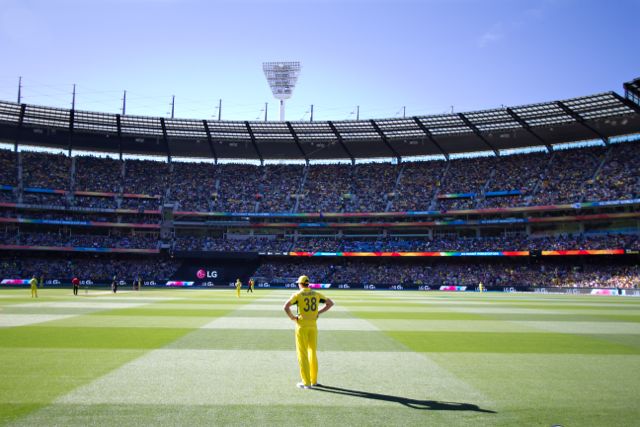
Melbourne Cricket Ground. Credit: MCG

Melbourne Cricket Ground. Credit: MCG

Fans at a recent Australian Football League game at the Melbourne Cricket Ground set a new record for concurrent connections to the venue’s Wi-Fi network, with 16,500 fans able to connect at the same time. According to venue officials, the new internal record was set during the AFL Qualifying Final between Geelong Cats and Hawthorn on Sept. 9 at the 100,000-seat plus arena.

Previously, the Wi-Fi network from Cisco, IBM and other partners had seen a concurrent connection top mark of just under 10,000 connections at MCG, according to stadium representatives. The stadium has approximately 800 Wi-Fi APs, as well as a DAS deployment from Telstra for enhanced cellular connectivity. Though many U.S. stadiums have seen much higher concurrent-user totals, the new MCG record is believed to be the highest recorded in Australia, according to club officials.

The Melbourne Cricket Club had promoted the idea of trying to break the Wi-Fi connectivity record, with a promotion that offered a chance at winning free tickets to an upcoming Guns N’ Roses concert for fans who participated.

melb2According to the team, the Wi-Fi network has seen more than 150,000 unique connections since its installation late last year, part of a $40 million tech upgrade that also saw new scoreboards, LED signage, televison screens and the DAS installed in the venue.

“We significantly bettered the MCG’s previous record for the most concurrent Wi-Fi connections, with approximately 16,500 fans able to connect at the same time,” said Rey Sumaru, general manager for IT and innovation at the Melbourne Cricket Club in an email reply. “We are confident that this is the highest number of concurrent Wi-Fi users achieved in Australia, and the figure represents roughly 20 percent of the total match attendance.

“We are certainly pleased with this outcome and have gained some valuable insights and learnings about the Wi-Fi system as a result of this load testing,” Sumaru continued. “We will now be working with our technology partners Cisco and IBM to improve even further, to ensure fans have experience world-class connectivity every time they visit the ’G.”

Cowboys hit 2+ TB, Texas A&M sees 1.8+ TB in first AT&T DAS stats for 2016 football season

dx1With the first few football games of the season now under our belts, stats from stadium wireless networks are filtering in with a refrain we’ve heard before: Fan use of wireless data is still growing, with no top reached yet.

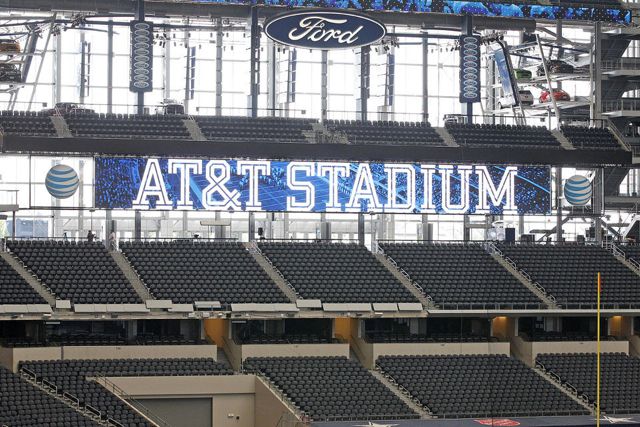
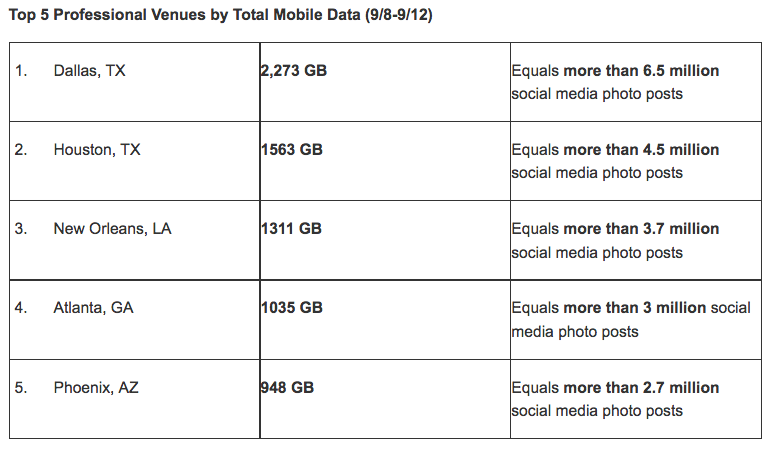
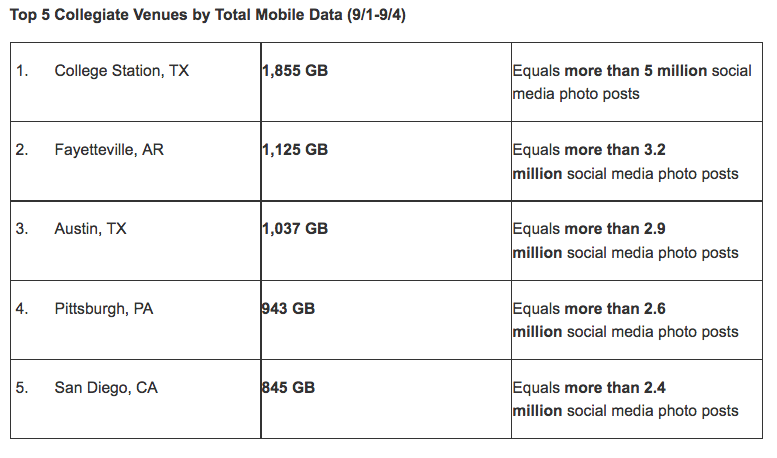
Thanks to our friends at AT&T we have the first set of cellular network stats in hand, which show a report of 2.273 terabytes of data used on the AT&T network at AT&T Stadium for the Cowboys’ home opener, a 20-19 loss to the New York Giants on Sept. 11. That same weekend the AT&T network at Kyle Field in College Station, Texas, home of the Texas A&M Aggies, saw 1.855 TB of data during Texas A&M’s home opener against UCLA, a 31-24 overtime win over the Bruins.

Remember these stats are for AT&T traffic only, and only for the AT&T network on the DAS installations in and around the stadiums. Any other wireless carriers out there who want to send us statistics, please do so… as well as team Wi-Fi network totals. Look for more reports soon! AT&T graphics below on the first week results. We figure you can figure out which stadiums they’re talking about by the town locations.

Screen Shot 2016-09-19 at 11.21.50 AM

Screen Shot 2016-09-19 at 11.21.58 AM

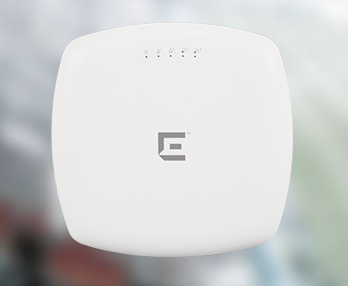
Extreme buys Zebra’s WLAN biz for $55 million

Wi-Fi gear vendor Extreme Networks beefed up its lineup today with the acquisition of the wireless LAN business of Zebra Technologies, a $55 million deal that is scheduled to close later this year.

While it’s not apparent how the Zebra acquisition will affect Extreme’s stadium and large public venue businesses, it seems like some of the Zebra products including their security and managed services offerings could be a fit for teams in the market for Wi-Fi.

Network World has a good breakdown of the deal, including a quote from Gartner which says Zebra gear should be on the short list for customers in the retail and hospitality businesses (among others) as well as verticals with location requirements, which would seem to include stadiums. Any Zebra users in stadium deployments out there, give us a holler and let us know what you think.

At the very least, the deal is just another sign of consolidation in the Wi-Fi industry, a trend that has seen Brocade buying Ruckus and HP buying Aruba in the bigger deals to date.

Ookla shares Speedtest data from CenturyLink Field, other stadiums

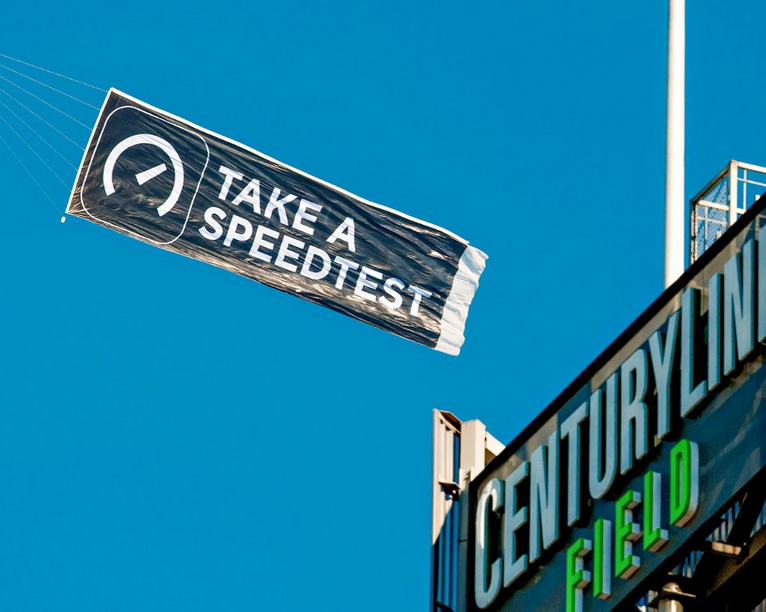
Ookla ad banner being flown over CenturyLink Field in Seattle. Credit: Ookla

Ookla ad banner being flown over CenturyLink Field in Seattle. Credit: Ookla

Anyone who follows Mobile Sports Report knows that I use the Speedtest app from Ookla to measure stadium network performance whenever I visit a sporting venue. While my one-man tests do show some measure of network power, I always dreamed of harnessing the results from many fans at the same game to see a better picture of the network performance.

Well, Speedtest’s creators think along the same lines, and conducted an experiment during an Aug. 25 Seattle Seahawks preseason game at CenturyLink Field in Seattle. You can read their very thorough post and neat results here, with some interesting twists — for instance, the cellular networks are way faster than the CenturyLink Wi-Fi, according to the Ookla results.

UPDATE: Ookla responded to our email and let us know that on Aug. 25, there were 252 Speedtests at CenturyLink Field, a great sampling to draw results from. Ookla also talked about tests from 12 different events at CenturyLink Field, and said in the email that across those events it saw 1,143 tests conducted.

Ookla also published some test result totals from other stadiums as well, including Levi’s Stadium, AT&T Stadium and Bank of America Stadium, but didn’t say when those tests were recorded, or how many tests were taken.

What we really like, however, is that Ookla’s tests show what our stadium tech report surveys have been showing — that overall, in-stadium network performance is steadily improving. Over time, more data like this can help dispel the still-lingering rumor that stadium networks don’t deliver good connectivity. Now if we could only get Ookla to partner with us to do league-wide or college-comparison speedtests… anyone ready for that idea?

Verizon drops data charges for live NFL streaming via NFL Mobile app

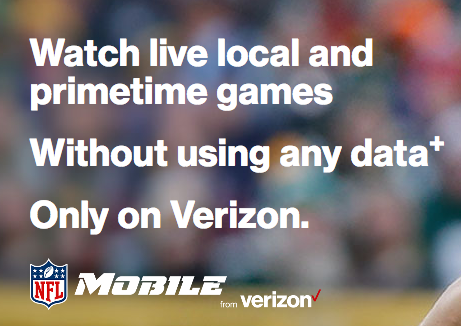
Screen Shot 2016-09-09 at 10.28.58 PMAre you ready for football? And are you ready for cellular company wars around viewing football on your phone? Verizon kicked off the 2016 NFL season with an announcement Friday that it would no longer charge its customers for data used while watching live NFL games via the NFL Mobile app, perhaps the biggest sign that the battle we predicted is now fully underway.

From our perspective, some of the most-read stories in Mobile Sports Report history have been posts wondering about how much data customers might use watching a live football game on their phones. The answer now, for Verizon LTE customers, is easy: It’s zero. You will still need to pay $1.99 a month this fall to watch RedZone on your phone (to us, RedZone is even better than specific live games), but watching the live local and national-broadcast games (like Sunday night games and Monday Night Football) won’t chew up any of the gigabytes in your data plan.

Whether or not this type of “free programming” will spark any net neutrality debate is best left for other outlets, though it’s hard to think of a type of programming more popular than live NFL action. In the meantime, our guess is that the wildly popular NFL Mobile app (Verizon never releases figures on how many users it has for NFL Mobile, but if you start your guessing between 5 and 10 million you might not be far off) will get even more popular, and the promotion should help sell a lot of fence-sitters this weekend on buying with Verizon, just to get even the app’s limited NFL schedule for basically free.

The promotion may not even cost Verizon much when it comes to minutes, since many NFL Mobile veterans I know (some of whom are already tweeting in agreement to the next statement) almost always seek a Wi-Fi connection when they are streaming NFL Mobile games, because better bandwidth and no data charges. But it’s a hell of a selling point and one we kind-of predicted when we foresaw cell-phone NFL battles between Verizon and its NFL Mobile deal and AT&T’s new ownership of Sunday Ticket thanks to its DirecTV purchase. Too bad the user numbers aren’t ever made public, because it’d be cool to see how many fans are streaming NFL action live on their phones.

We still haven’t been able to get an answer from the NFL or Verizon on another rumor we heard this summer, that RedZone action would be available for free to any fans inside NFL stadiums on game days. Many stadiums already have that ability via apps built by YinzCam, which has a rights agreement with the NFL to allow RedZone viewing in some stadiums. Maybe MSR readers across the country could chime in on whether or not they can see RedZone at their stadium, and we can crowd-source a list. Or we could all just watch more football. Stay tuned, because it’s our guess that this won’t be the last you hear on this front this season.

Remember: You can’t watch NFL Mobile live games on your tablet, because Verizon’s rights package only includes cellular phone-type devices. And be prepared for service to suck this Sunday, because these opening-day things never seem to work out for Verizon and the NFL. Don’t say you weren’t warned!